
Varicose Veins Treatments
Therapy Overview
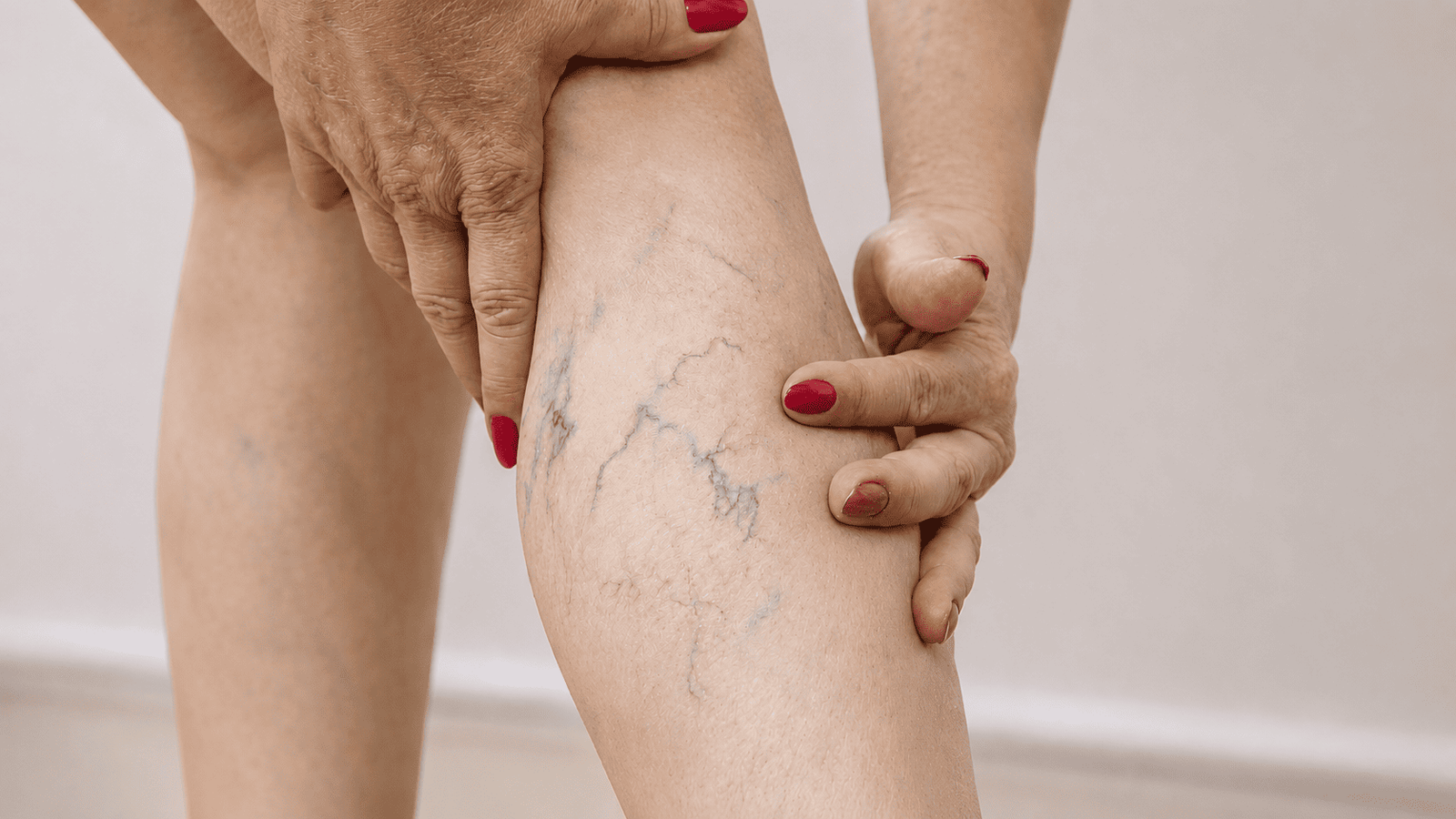
Varicose veins are twisted, swollen, and bulging veins that typically appear just under the skin in the legs and ankles.
Common Sites of Varicosity are;
- Great Saphenous Vein along the medial side of the leg and thigh.
- Small saphenous vein along the back of the calf.
- Superficial veins of the lower limbs, especially around the calf, knee, and ankle.
How Do Varicose Veins Develop?
Veins in the legs require the assistance of venous valves to return blood to the heart. When these valves fail to function properly, blood backflows and accumulates in the veins. When these valves are weak or damaged, blood may pool in the veins, causing them to twist and bulge and be visible under the skin, this is varicose veins.
Risk Factors of Varicose Veins
- Aging: As you age, your veins and valves naturally weaken, making it more difficult for blood to flow properly, and increasing the risk of varicose veins.
- Family History: If your parents or close relatives have varicose veins, you are more likely to develop the condition.
- Female Gender: Women are more prone to developing varicose veins because of hormonal changes that occur during menstruation, pregnancy, and menopause.
- Obesity: Extra weight puts pressure on your veins and makes it harder for blood to travel back to your heart. It also increases the risk of vein enlargement.
- Long Sitting and Standing: Staying in one position for a long period affects healthy blood circulation in the legs. It causes blood to collect in the veins and increases the risk of varicose veins.
Symptoms of Varicose Veins
- Bulging, Twisted, Enlarged Veins: The veins, usually in the legs or feet, are visibly swollen and twisted.
- Aching or Heavy Legs: You develop a dull ache, heaviness, or tiredness in your legs after sitting or standing for long periods.
- Ankle and Feet Swell: Poor blood circulation causes poor fluid retention, which causes the ankles and feet to swell.
- Skin Discoloration: This condition causes the skin around the affected veins to turn reddish, purplish, or brown due to poor blood circulation and blood pooling.
Ayurvedic Perspective of Varicose Vein
In Ayurveda, varicose veins are known as ‘Sira Granthi’ and occur due to the imbalance of vata and pitta doshas and poor blood circulation in the affected veins. In Ayurveda, we look at the root cause of the imbalance and not the management of visible veins. We utilize authentic Ayurvedic treatment to boost your blood circulation, fortify your veins, reduce swelling, and increase the overall health of your blood vessels. We provide customized Panchakarma therapies, herbal medicines, lifestyle changes, and dietary guidance tailored to your individual body constitution and specific needs.
Book Appointment
Request slot for Varicose Veins Treatments
FAQs
Varicose veins are caused by weakened or damaged vein valves. Risk factors include aging, family history, pregnancy, obesity, and prolonged sitting or standing.
Early signs of varicose veins may include aching or heavy legs, mild swelling, visible blue, brown, or purple veins, burning sensations, and discomfort after standing for long periods.
You should consult a doctor if you experience persistent pain, swelling, skin discoloration, bleeding, or non-healing ulcers associated with varicose veins.
Varicose veins are not always dangerous, but untreated cases may lead to pain, swelling, skin discoloration, bleeding, or venous ulcers.
The duration of treatment depends on the severity of the condition and the treatment approach. A personalized treatment plan may be designed based on the individual's body constitution and specific needs.
Varicose veins generally do not disappear on their own. Appropriate medical or Ayurvedic care may be needed to manage the condition and its symptoms effectively.
Regular exercise, maintaining a healthy weight, and elevating the legs may help improve circulation and reduce symptoms, but these measures may not eliminate existing varicose veins.
Yes. Walking activates the calf muscles and supports blood circulation, which may help reduce pressure in the veins and manage symptoms.
Yes. Low-impact exercises such as walking, cycling, and swimming can support healthy blood circulation and help manage varicose vein symptoms.
Yes. Having parents or close family members with varicose veins can increase the likelihood of developing the condition.